As Vietnam’s largest economic hub and manufacturing center, Ho Chi Minh City is uniquely positioned to shape the next phase of growth through the principles of circular economy, green transformation, and sustainable manufacturing. As global supply chains increasingly prioritize carbon reduction, resource efficiency, and resilience, the competitiveness of manufacturing centers will no longer be determined by cost alone, but by the quality of growth and the ability to innovate.
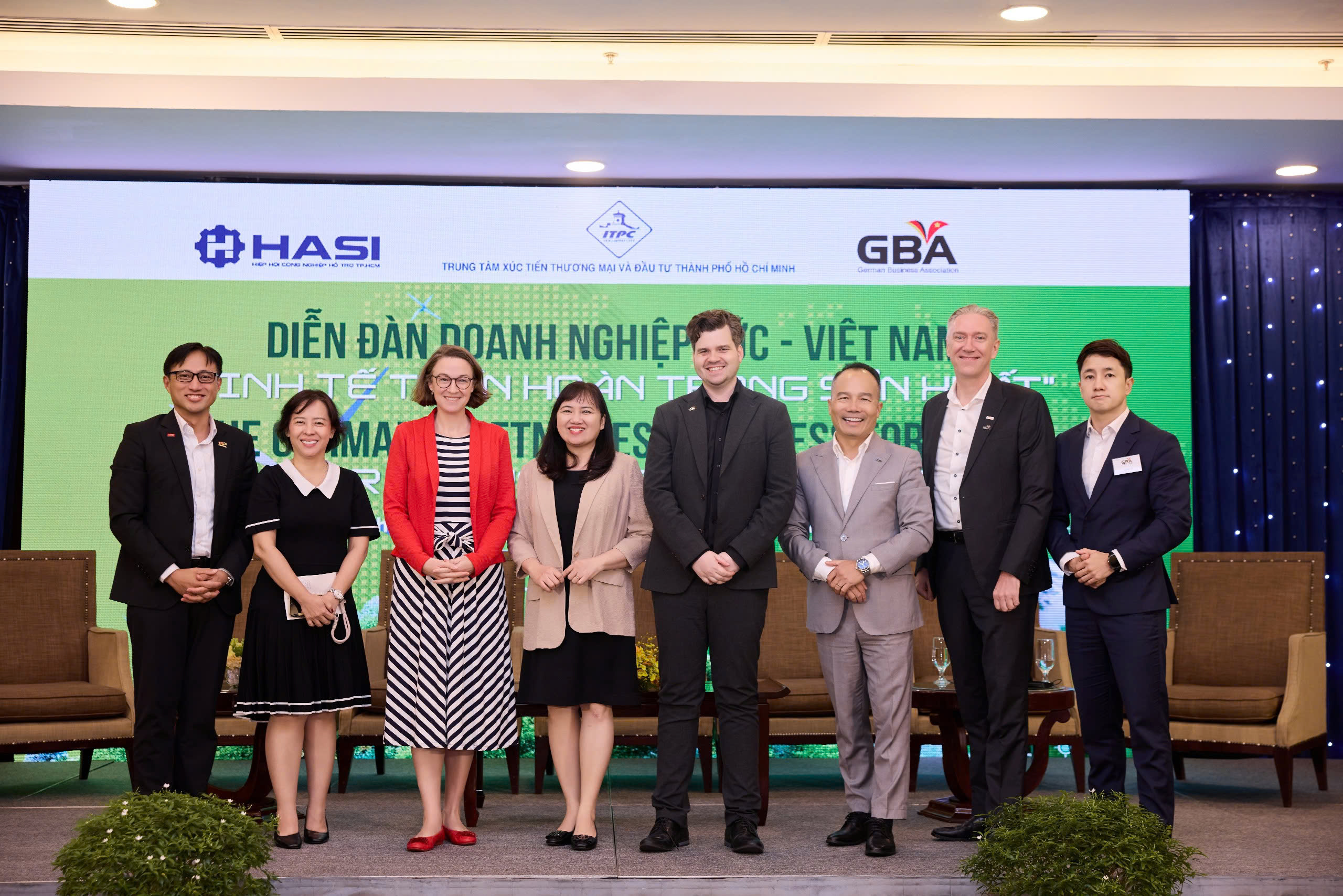
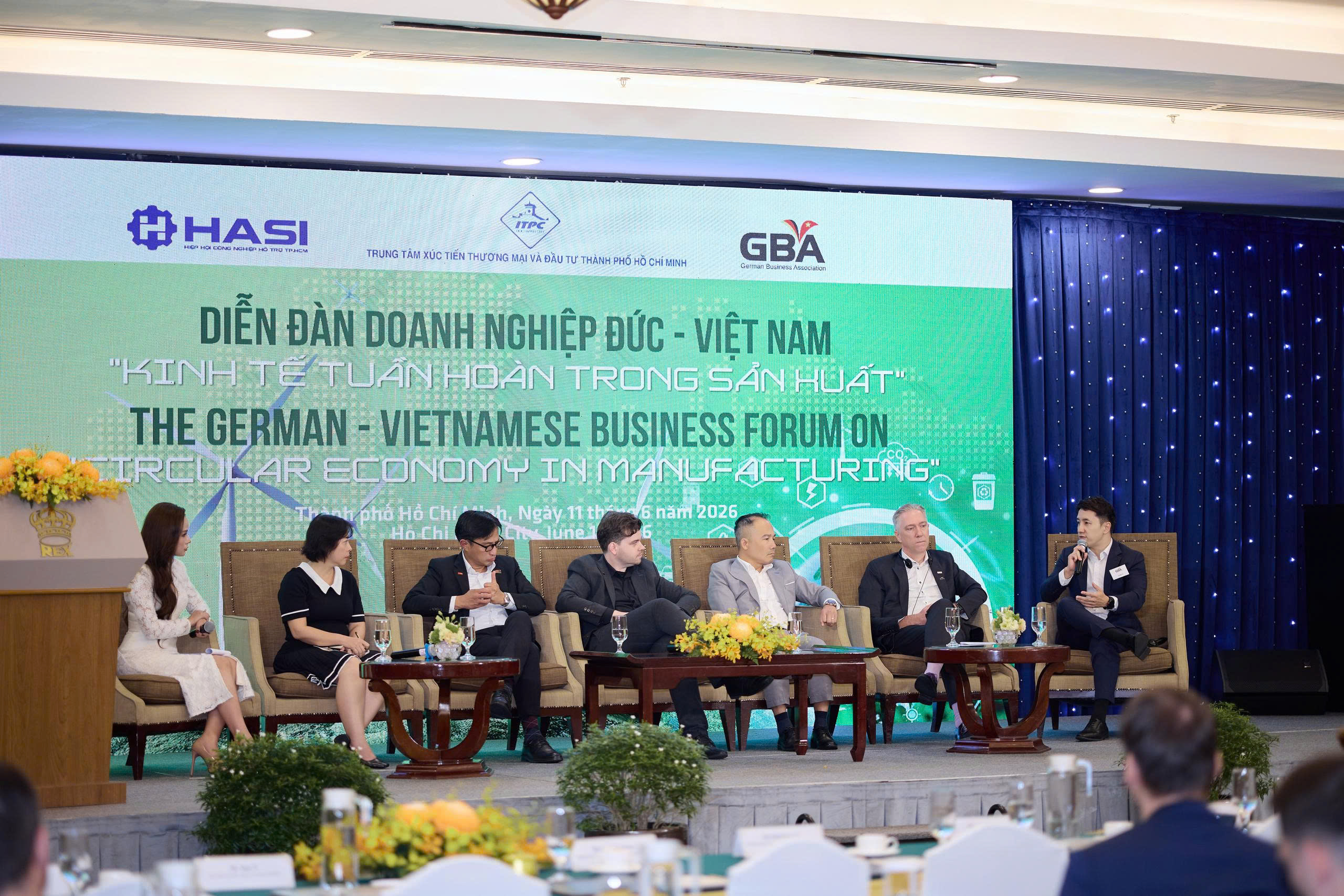
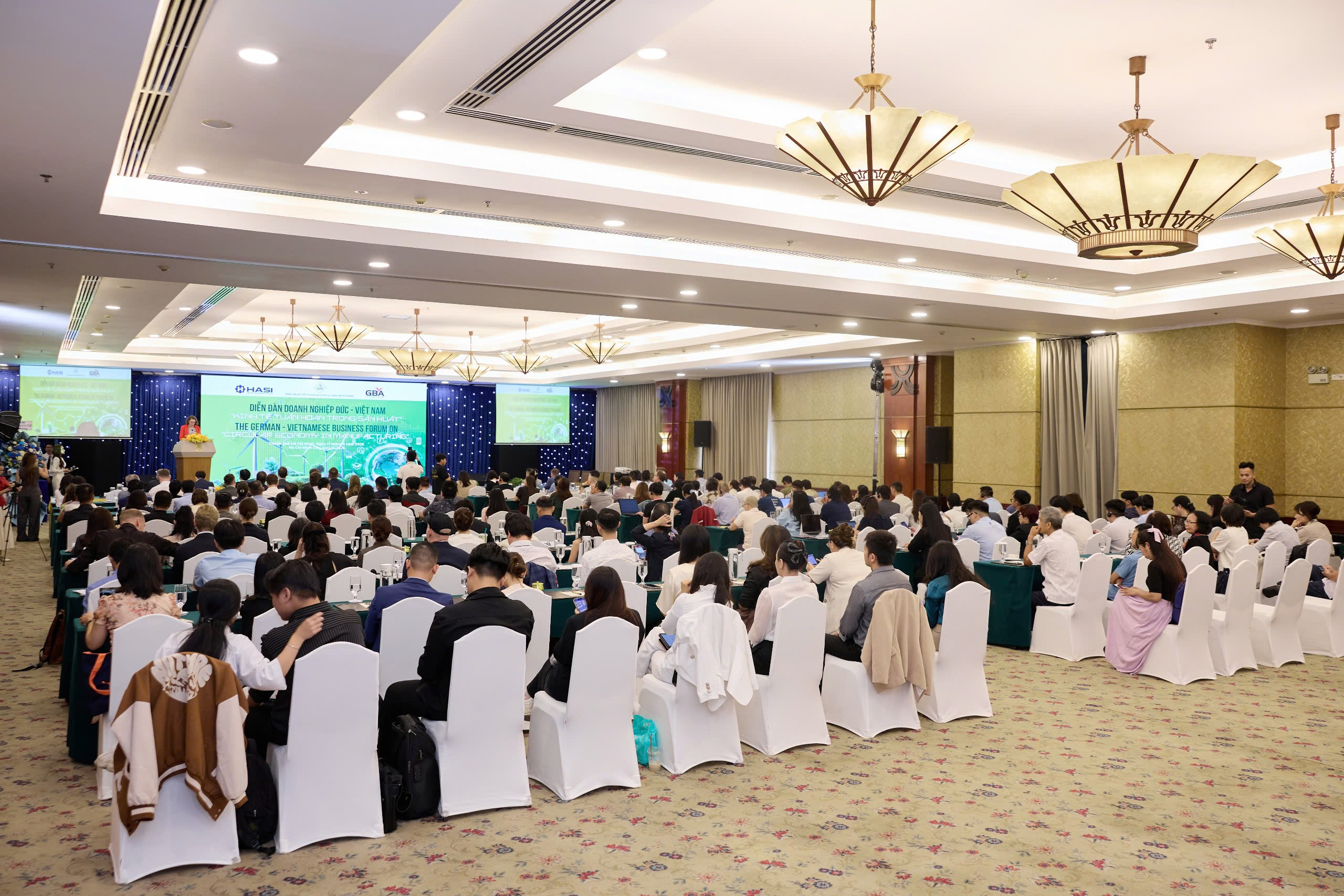
These topics were at the center of discussions during the German–Vietnamese Business Forum 2026: Circular Economy in Manufacturing, jointly organized by the Ho Chi Minh City Investment and Trade Promotion Centre (ITPC) and the German Business Association in Vietnam (GBA) on June 11 in Ho Chi Minh City.
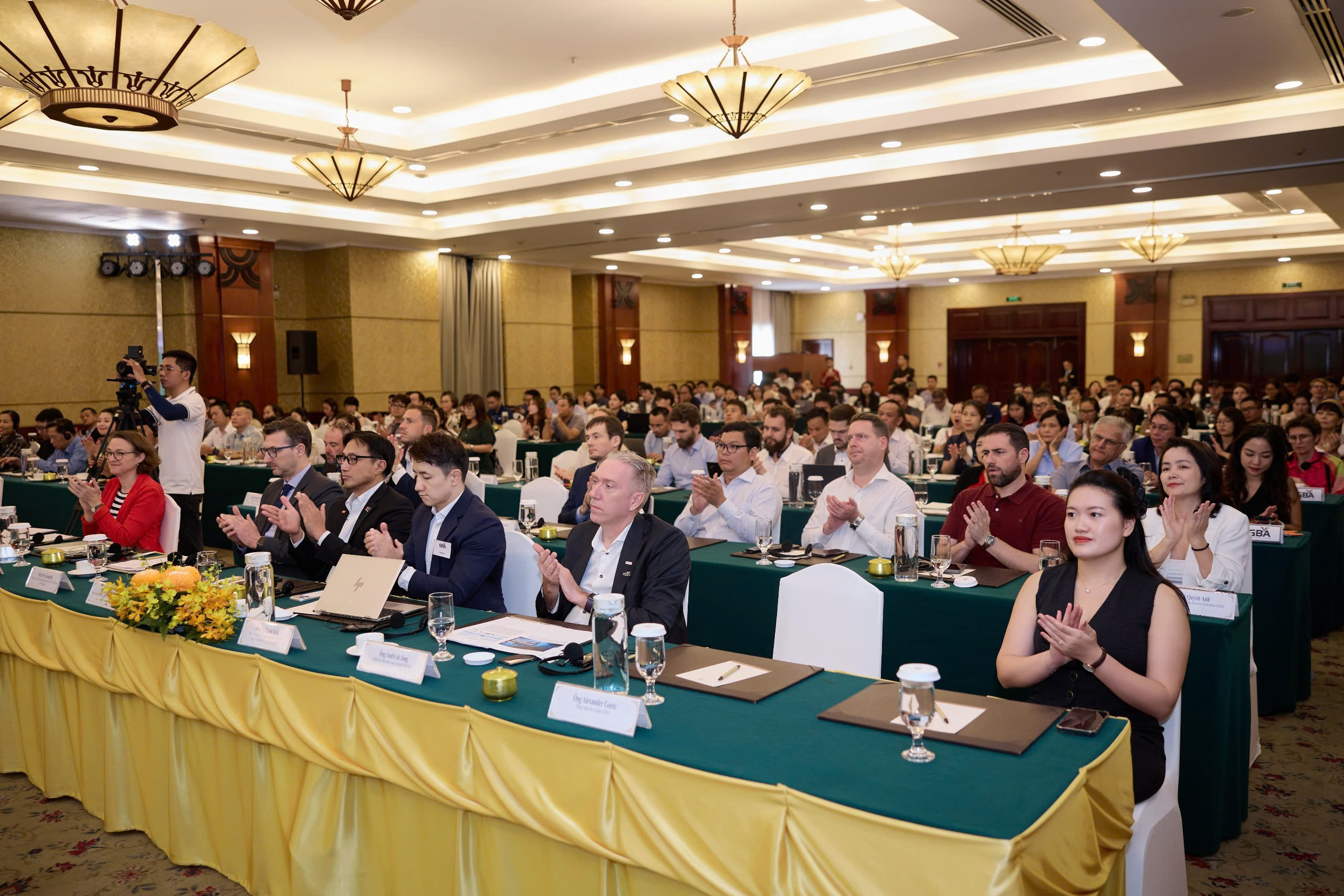
The forum brought together nearly 200 representatives from government agencies, investment promotion organizations, business associations, industry experts, and leaders of leading German and Vietnamese companies to exchange perspectives on advancing circular economy practices, sustainable manufacturing, and industrial competitiveness in the context of the global green transition.
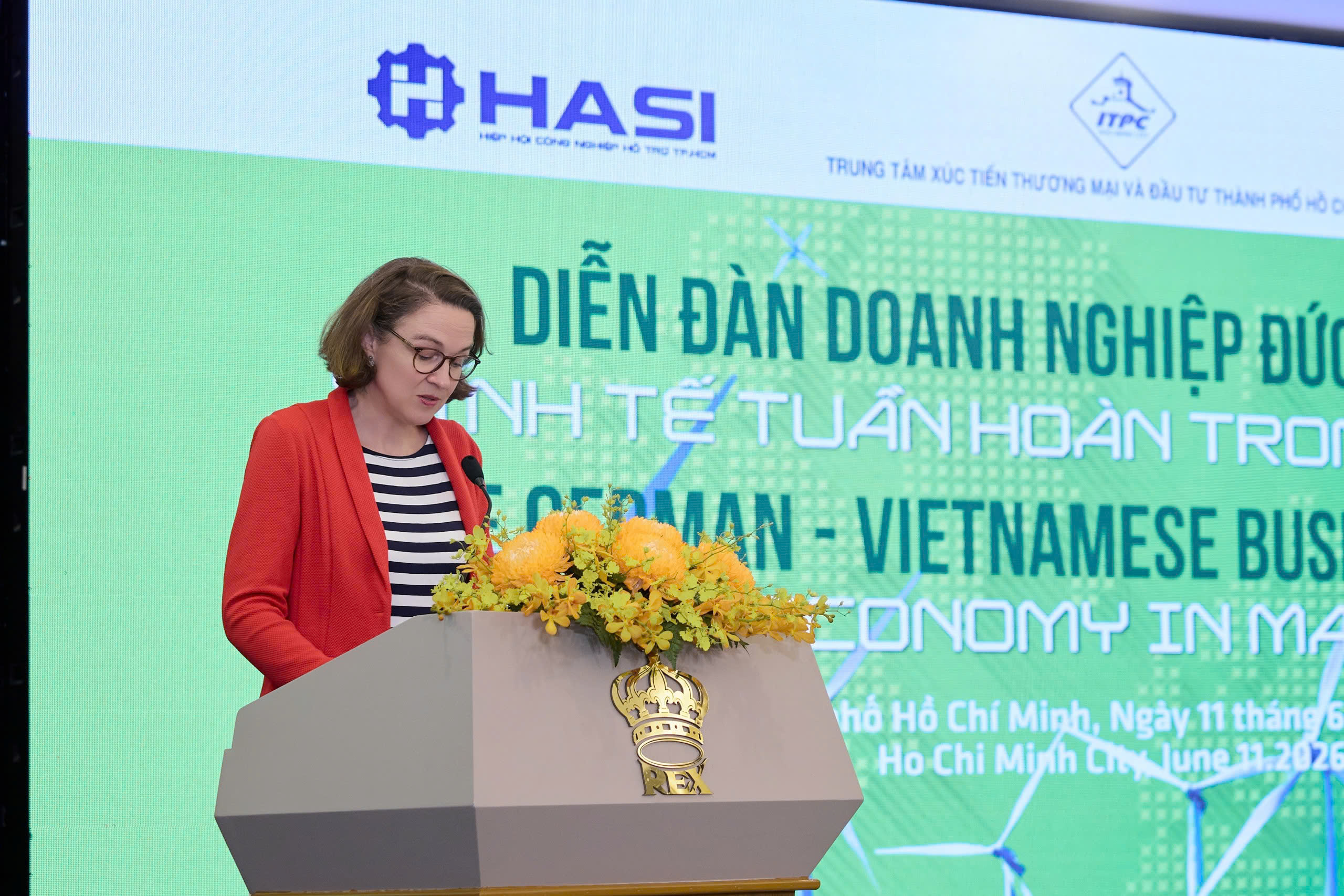
In her opening remarks, Andrea Sühl, Consul General of Germany in Ho Chi Minh City, emphasized that the circular economy is not only an environmental solution but also a strategic approach to strengthening economic competitiveness and resilience amid increasingly volatile global supply chains. She reaffirmed Germany’s commitment to supporting Vietnam through technology transfer, industrial expertise, innovative solutions, and stronger business cooperation to accelerate green transformation, sustainable production, and the development of circular industrial ecosystems.
Representing Ho Chi Minh City, Cao Thi Phi Van, Deputy Director of the Ho Chi Minh City Investment and Trade Promotion Centre (ITPC), highlighted the importance of international cooperation in fostering innovation, technology transfer, and sustainable production models. She noted that Ho Chi Minh City is actively promoting policies that support green business transformation, eco-industrial parks, and more efficient resource utilization, creating a solid foundation for the large-scale implementation of circular economy initiatives.
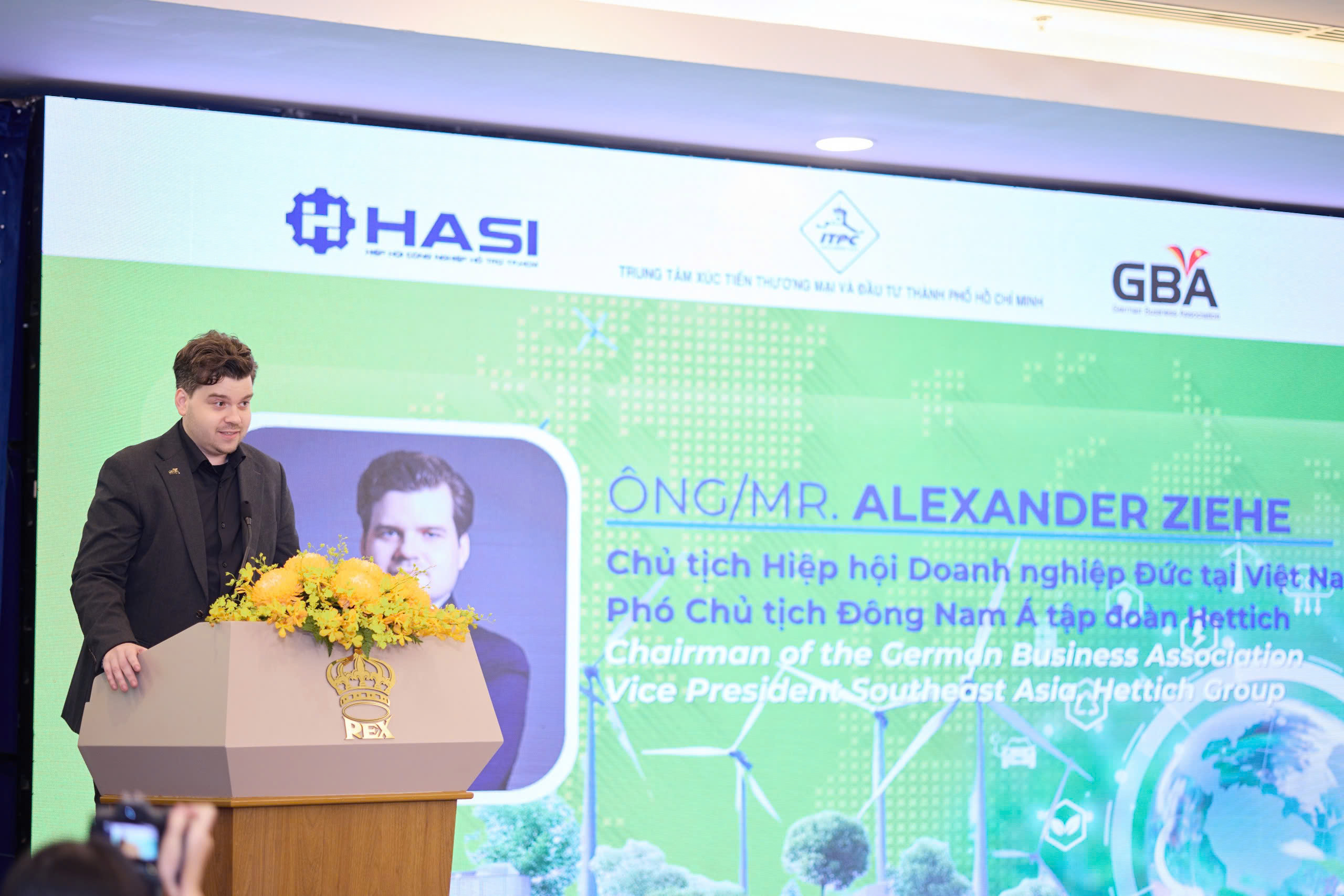
“Vietnam has the ambition, Ho Chi Minh City has the momentum, and Germany has the industrial expertise to support sustainable growth. By combining Vietnam’s dynamic manufacturing potential with Germany’s experience in resource efficiency, circularity, and advanced industrial technologies, we can create stronger, more resilient value chains for the future,” said Alexander Ziehe, Chairman of the German Business Association in Vietnam (GBA) & Vice President Southeast Asia of Hettich Group. He also emphasized that German companies are ready to support Vietnam not only as investors but also as long-term partners in industrial development and innovation.
“For German businesses operating in Vietnam, the circular economy is no longer merely a sustainability initiative, it has become a strategic imperative for competitiveness and market access. New requirements regarding supply chain transparency, traceability, and digital product passports are increasingly becoming prerequisites for participation in international markets, particularly the European Union,” said Peter Kompalla, Chief Representative of AHK Vietnam.
Addressing opportunities for deeper participation in global supply chains, Nguyen Trong Luat, Vice Chairman of the Ho Chi Minh City Association of Supporting Industries (HASI), noted that businesses today face growing pressure not only to upgrade technological capabilities but also to comply with emerging requirements related to carbon emissions, traceability, and supply chain transparency. He identified management capabilities, technical workforce development, and stronger linkages with foreign-invested enterprises as key areas requiring improvement. According to him, technology transfer, skills development, and supplier ecosystem enhancement will be critical to meeting ESG standards and strengthening competitiveness in the years ahead.
According to Erick Contreras, Managing Director of BASF Vietnam, the circular economy is becoming a new growth driver for the manufacturing sector. As companies face increasing challenges related to raw materials, energy costs, emissions, and compliance with international standards, circular business models offer opportunities to improve resource efficiency, foster innovation, and create new sources of value.
Beyond circular economy practices, digital transformation and automation were highlighted as essential enablers of sustainable manufacturing. André de Jong, Managing Director of Bosch Vietnam, emphasized that data, artificial intelligence (AI), and smart factory technologies are fundamentally transforming manufacturing operations, enabling companies to enhance productivity, optimize resource utilization, and improve resilience against market disruptions.
Meanwhile, Tuan Vi, Vice President Supply Chain & Logistics Asia Pacific at Schaeffler, stressed that the circular economy should not begin with recycling alone but must be embedded throughout the entire value chain from planning, procurement, logistics, production, and maintenance to product use and end-of-life recycling. He noted that better decisions made at the earliest stages of the supply chain can significantly reduce waste, optimize resources, and generate sustainable impact across the entire system.
Experts at the forum agreed that businesses cannot achieve sustainability goals by focusing solely on manufacturing processes. Instead, they must optimize entire supply chains through digitalization, automation, and data-driven management. In other words, sustainable manufacturing is no longer solely an environmental challenge but increasingly a matter of technology, data, and end-to-end value chain management.
As sustainability requirements continue to shape global investment and trade flows, the circular economy is emerging as a key driver of competitiveness for Vietnam’s manufacturing sector. Speakers emphasized that technological innovation, workforce development, stronger supply chain integration, and expanded public-private partnerships will be essential to scaling circular economy initiatives from pilot projects to widespread implementation.
The forum also reaffirmed the significant potential of German–Vietnamese cooperation in advancing green transformation and sustainable manufacturing. By combining Germany’s strengths in technology, industrial expertise, and innovation with Vietnam’s manufacturing potential, both countries are well-positioned to expand collaborative initiatives that contribute to building a modern, resilient, and internationally competitive industrial sector for the future.
Click here to explore photo album